- Home
- Technology
How the SurfTech process works
Physical vapor deposition grows a film atom by atom inside a vacuum chamber. What separates one PVD supplier from another is the temperature the part sees, the structure of the film, and how much of the part the vapor can reach.
1. Process temperature
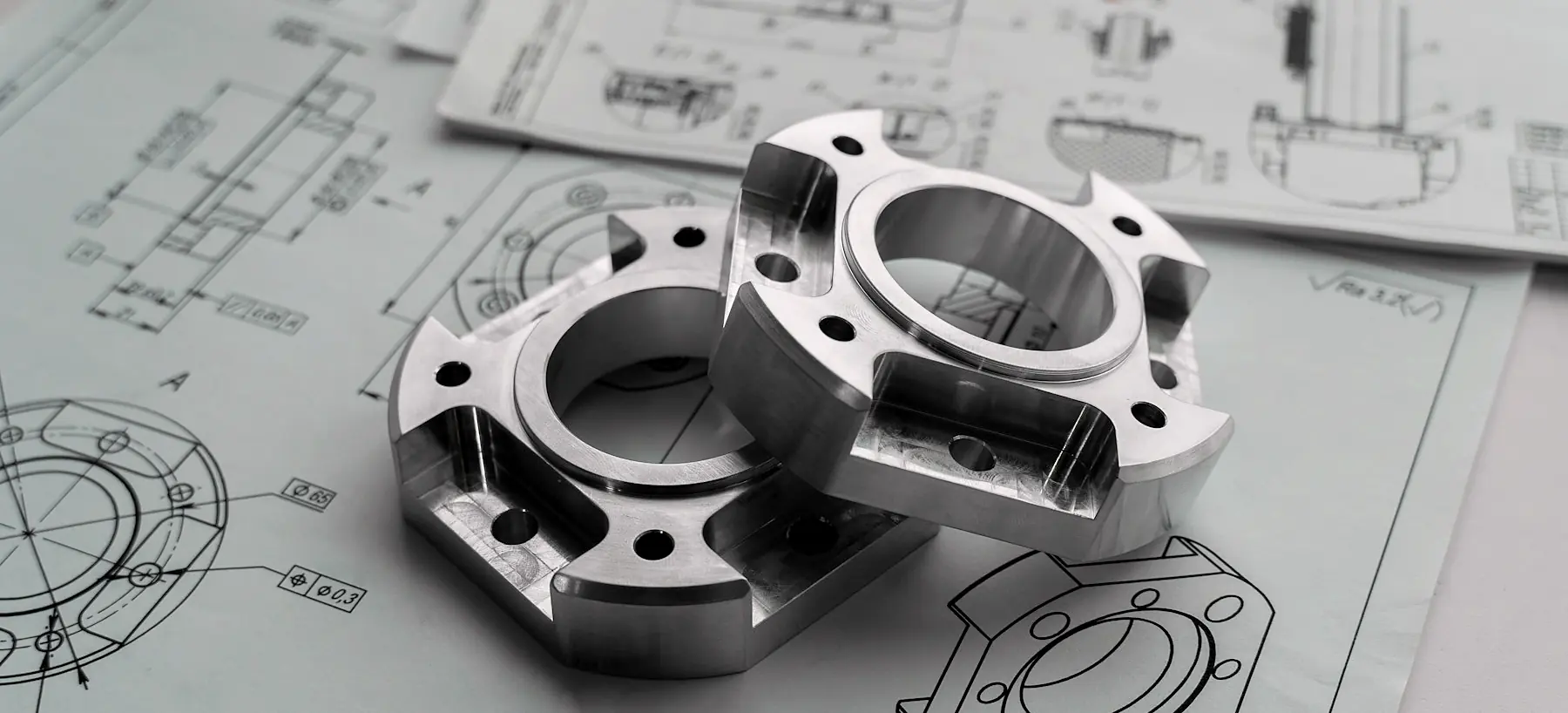
A conventional arc PVD cycle runs somewhere around 800 to 900 °F, and CVD around 1,800 °F. Both are above the tempering temperature of most tool steels, which is why parts coated that way often come back softer than they went in, or have to be re-heat-treated afterwards.
The SurfTech cycle stays below 200 °F. Hardness, temper and dimensional stability all survive it, and that is what puts brazed carbide, PCD, CBN and previously heat treated parts back on the list of things that can be coated at all.
Check your own substrate and heat treatment
- No re-heat-treating after coating
- No distortion allowance to build into the print
- Braze joints and diamond bonds stay intact
- Resharpened tooling can be recoated repeatedly
2. Interlaced multi-layer structure
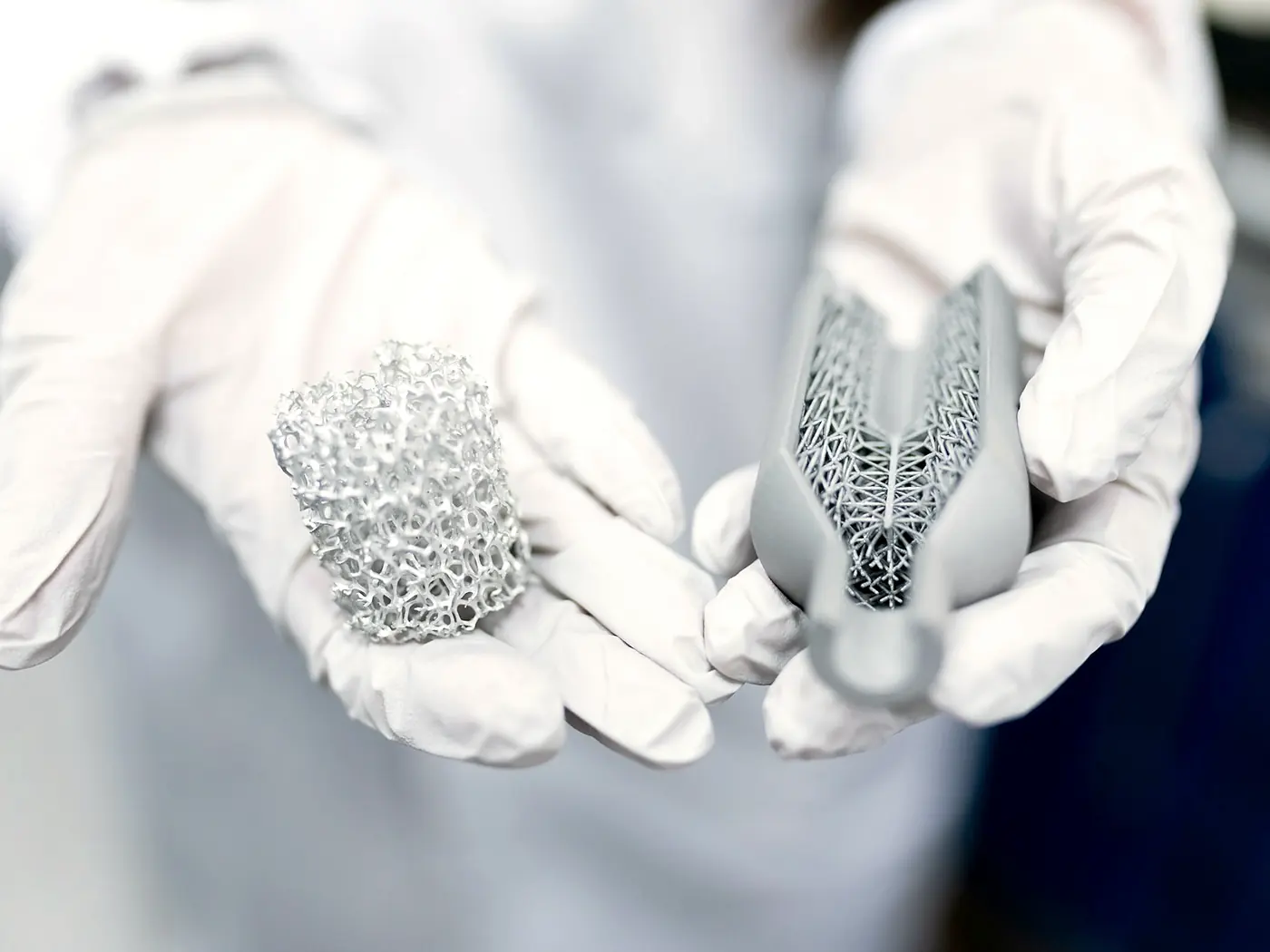
SurfTech deposits a true multi-layer thin film that interlaces each layer with a combination of materials, so performance stays consistent through the life of the product.
That matters most as a film wears. A stack of discrete layers changes behavior every time the surface reaches a new one. An interlaced film exposes the same combination of materials at every depth.
- Hard phase carries the contact load
- Lubricating phase keeps friction down
- Worn film behaves like a fresh one
- Layer count and chemistry chosen per application
3. Coverage and fixturing
Vapor travels in straight lines. A surface the source cannot see receives little or no film, which is why two shops can quote the same coating on the same drawing and return parts that perform differently.
Coverage on flutes, flanks, reliefs, cross holes and internal features is decided by how the parts are held and how they rotate. It is agreed at part review, along with anything that has to stay uncoated.
- Rotation planned against the geometry
- Threads, bores and datums masked on request
- Deep internal features called out before the job is booked
The coating process, step by step
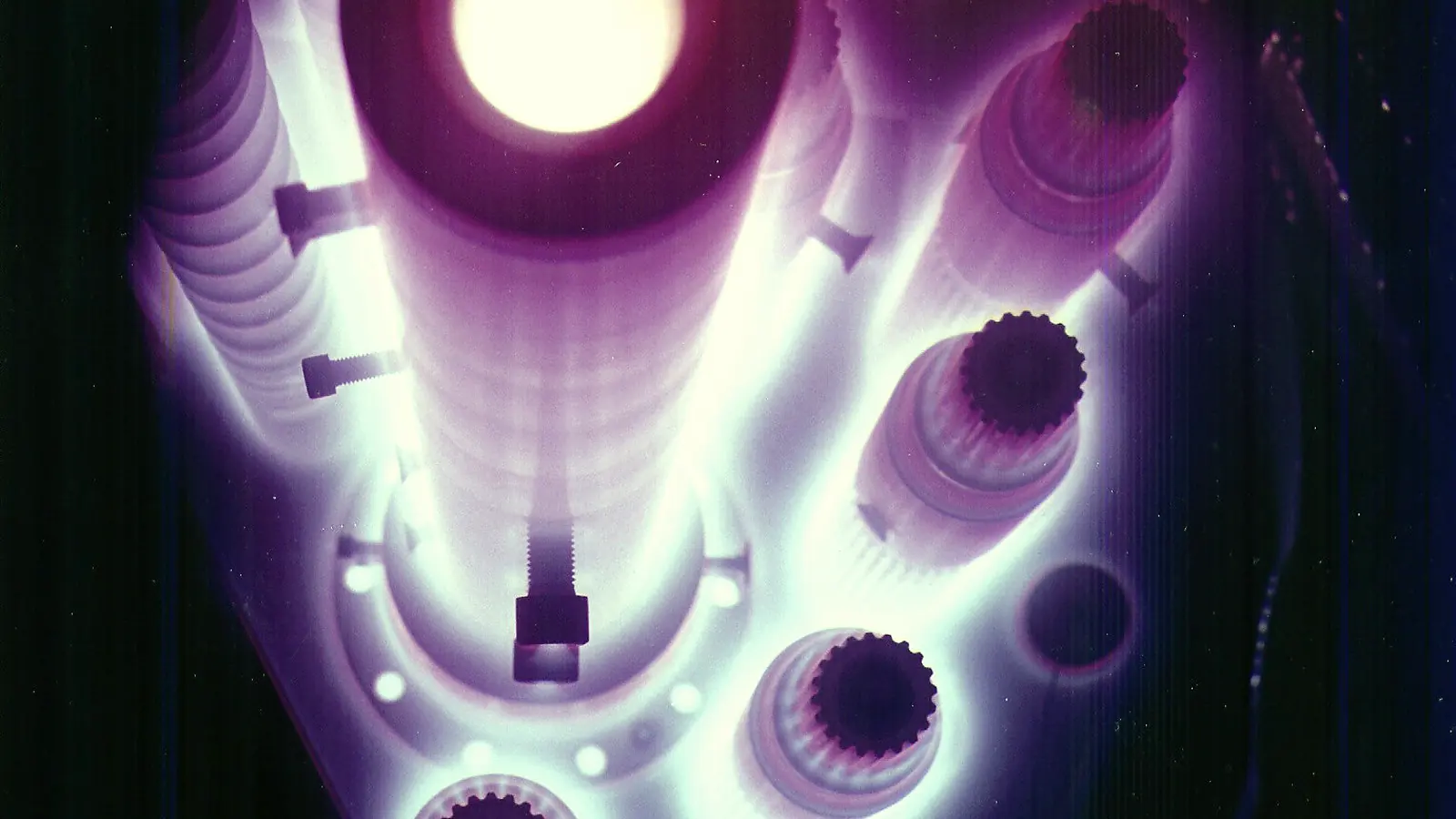
The drawing decides the coating
Send the substrate, the hardness, the duty and the way the part currently fails. A tool that is chipping needs a different film from one that is galling, and a part holding a three micron tolerance rules out anything thicker. SurfTech confirms the code, the thickness and the masking before the job is booked.
Inspection, identification and masking
Every lot is checked in and identified against the order. Threads, bores, datums and sealing faces that have to stay uncoated are masked at this stage, because a film grows on every surface the source can see.
The film is only as good as the surface under it
Cutting oil, grinding residue, handling oils and oxide all prevent adhesion. Parts go through a multi-stage clean and are dried before they enter the chamber. Most coating failures in this industry are adhesion failures, and most adhesion failures start here.
Every surface has to see the source
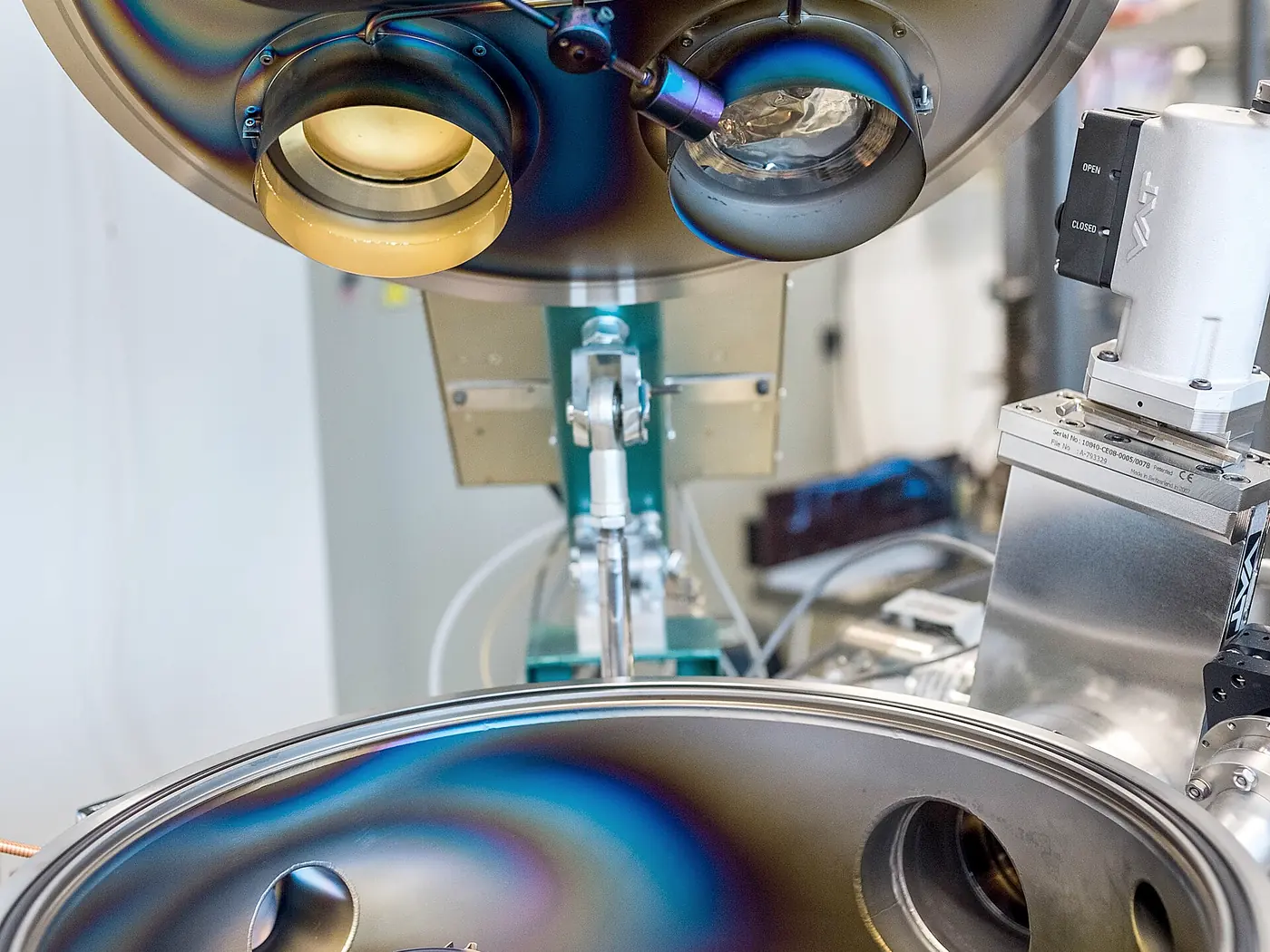
PVD is a line of sight process. Parts are fixtured and rotated so the vapor reaches flutes, flanks, reliefs and internal features evenly. Fixturing determines coverage on a complex geometry.
Ion assisted deposition below 200 °F
The chamber is pumped down, the surface is ion cleaned, and the film is grown layer by layer with the layers interlaced rather than stacked. The whole cycle stays below 200 °F, which is the reason hardened steel, brazed carbide and PCD can go through it.
Checked, counted and returned
Color, coverage, adhesion and thickness are checked against the order under an ISO 9001 quality system. The lot is counted, packed the way it arrived and returned with its paperwork.
Substrates we coat
The low temperature cycle is what puts these on the list. If a material or a geometry looks marginal, ask before assuming it is out of range.
- Hardened tool steel
- Bearing steel
- Carbide and brazed carbide
- Polycrystalline diamond (PCD)
- Cubic boron nitride (CBN)
- Ceramics
- High strength composites
- Previously coated tooling
Engineered for performance
Protects base material properties and reduces distortion.
High hardness coatings increase wear resistance in demanding environments.
Optimized surface properties reduce friction and improve efficiency.
Minimizes adhesive wear for smoother operation and longer service life.
Request a quote
The failure mode picks the chemistry. Tell us how the part fails now and SurfTech will specify the film, the thickness and the masking.
Call(440) 275-3356
Plant2937 Industrial Park Drive, Austinburg, OH 44010
DrawingsPDF, DXF, DWG, STEP, IGES, STL or ZIP