
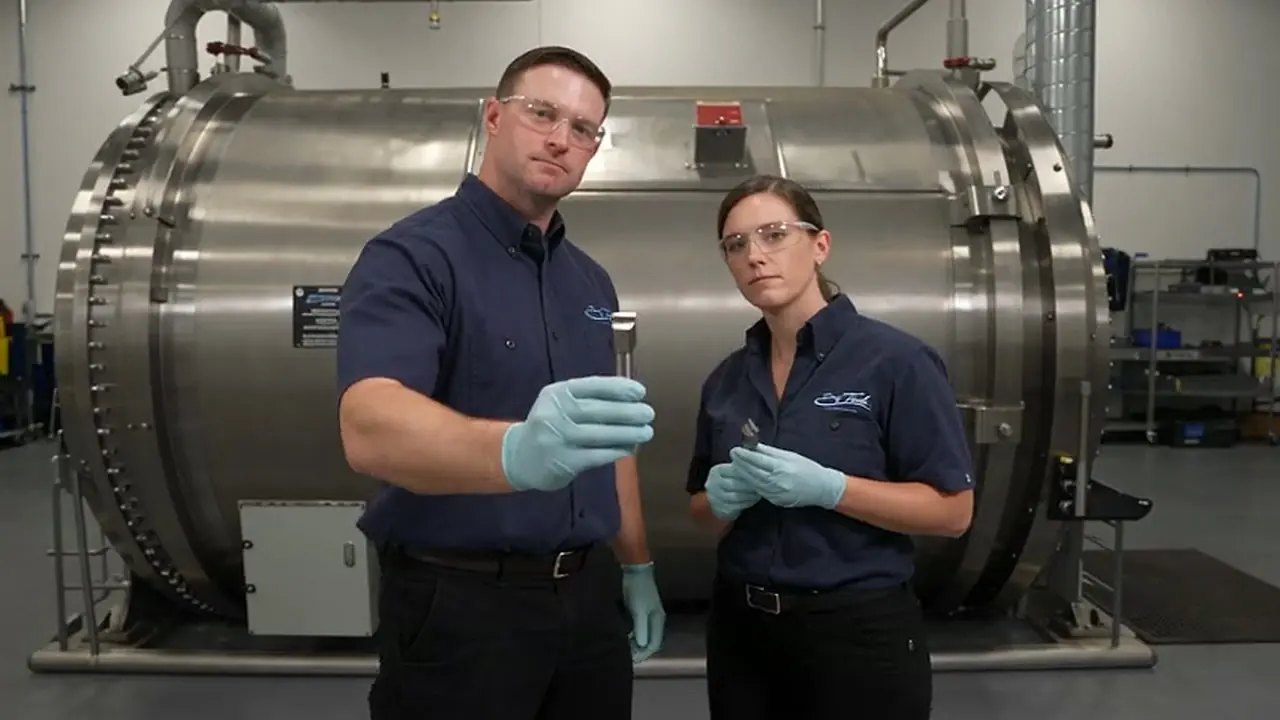
Low temperature PVD coatings for parts and tools.
SurfTech deposits PVD and thin film coatings below 200 °F, so hardened steel, brazed carbide, PCD and CBN keep the properties they were made with.
Austinburg, Ohio
The coating process
Six steps, in the order a lot moves through the plant.
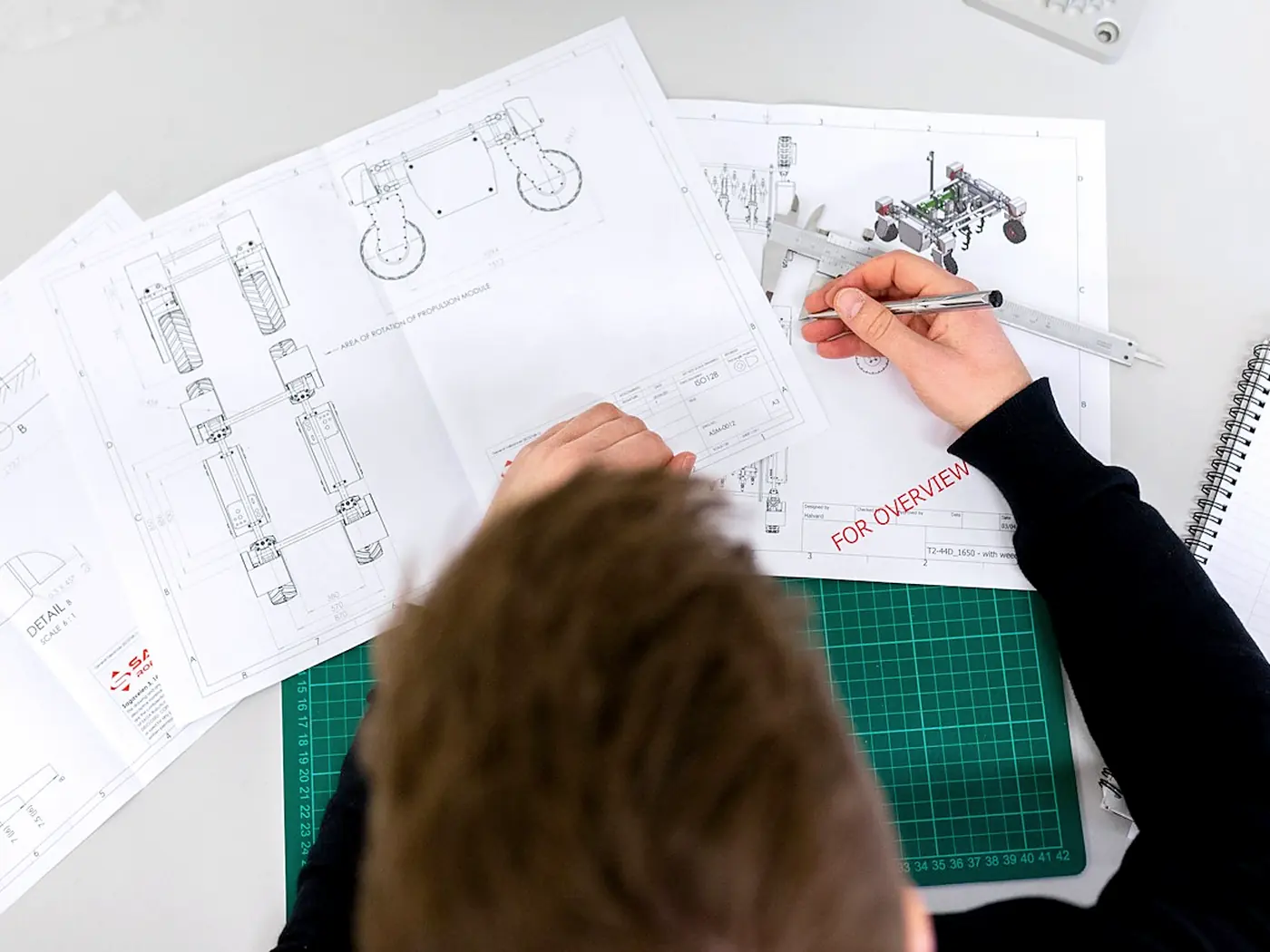
Send the substrate, the hardness, the duty and the way the part currently fails. A tool that is chipping needs a different film from one that is galling, and a part holding a three micron tolerance rules out anything thicker. SurfTech confirms the code, the thickness and the masking before the job is booked.
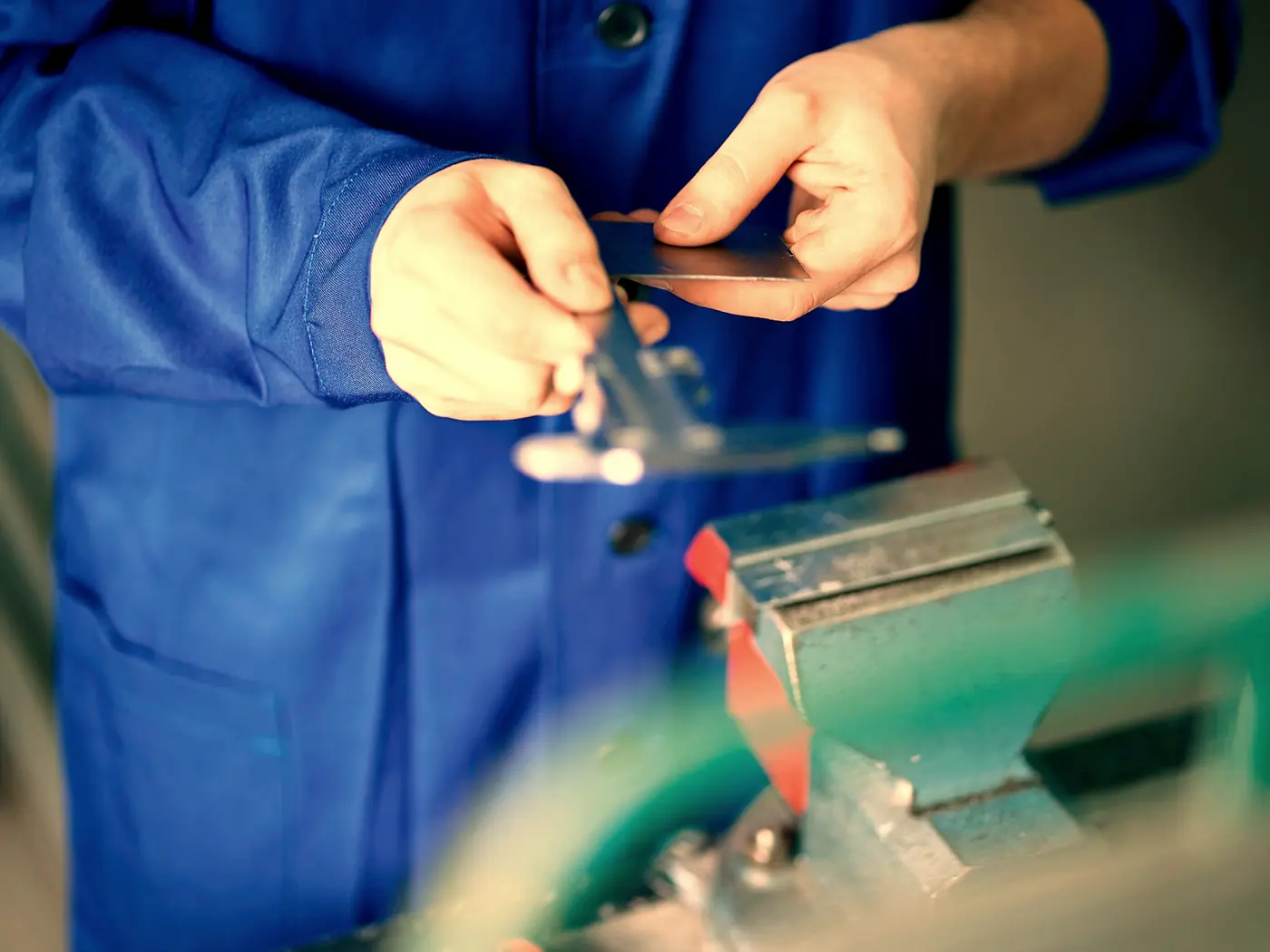
Every lot is checked in and identified against the order. Threads, bores, datums and sealing faces that have to stay uncoated are masked at this stage, because a film grows on every surface the source can see.
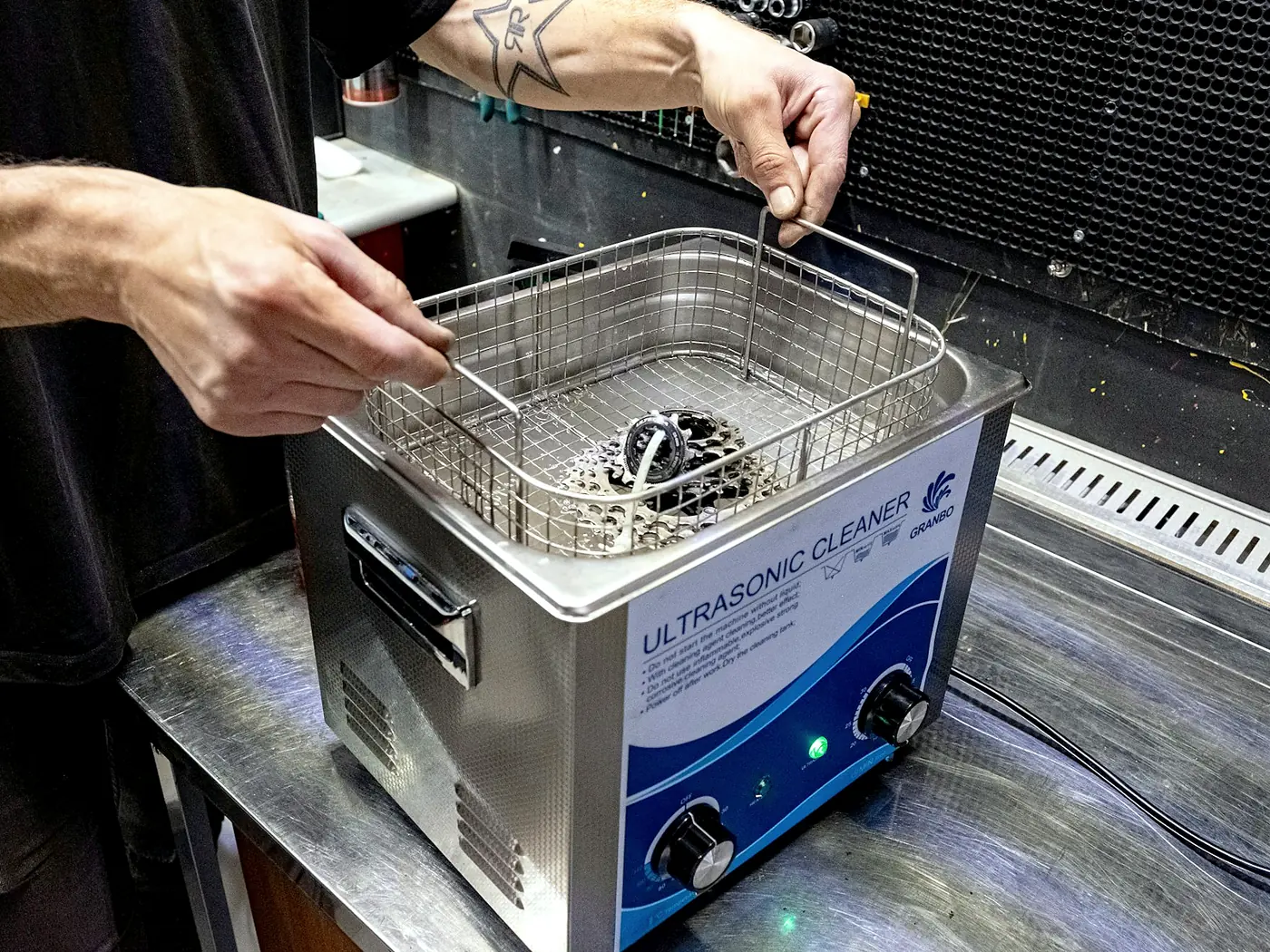
Cutting oil, grinding residue, handling oils and oxide all prevent adhesion. Parts go through a multi-stage clean and are dried before they enter the chamber. Most coating failures in this industry are adhesion failures, and most adhesion failures start here.
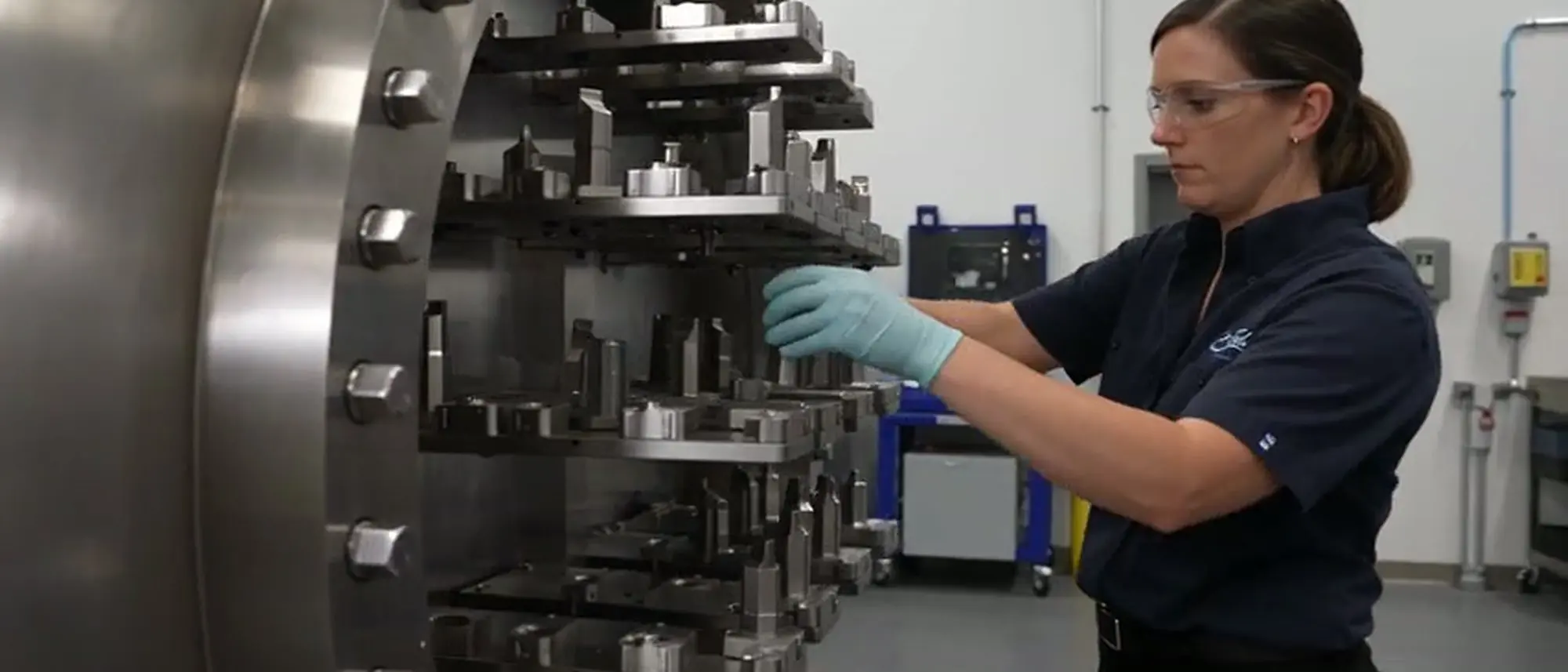
PVD is a line of sight process. Parts are fixtured and rotated so the vapor reaches flutes, flanks, reliefs and internal features evenly. Fixturing determines coverage on a complex geometry.
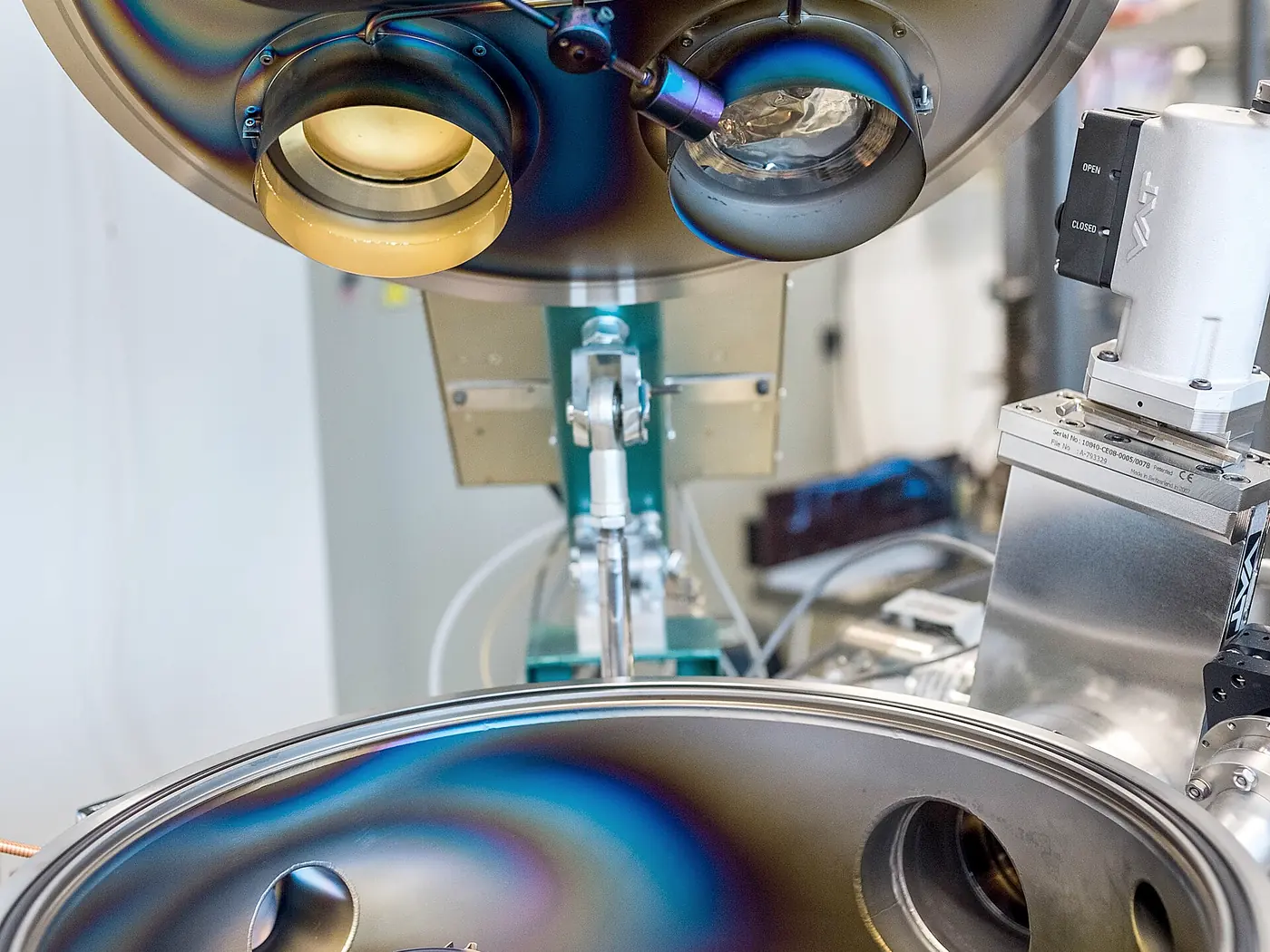
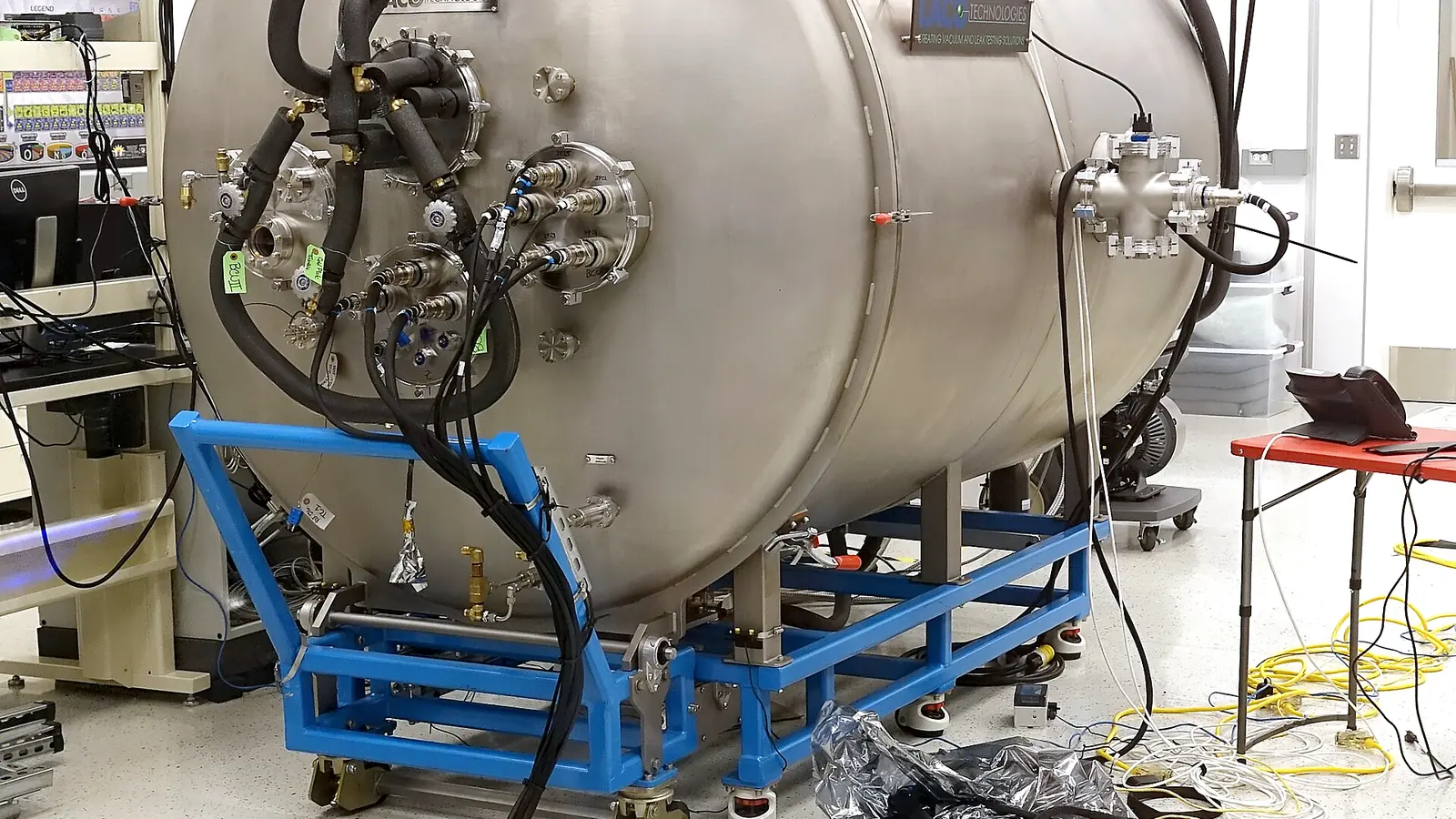
The chamber is pumped down, the surface is ion cleaned, and the film is grown layer by layer with the layers interlaced rather than stacked. The whole cycle stays below 200 °F, which is the reason hardened steel, brazed carbide and PCD can go through it.
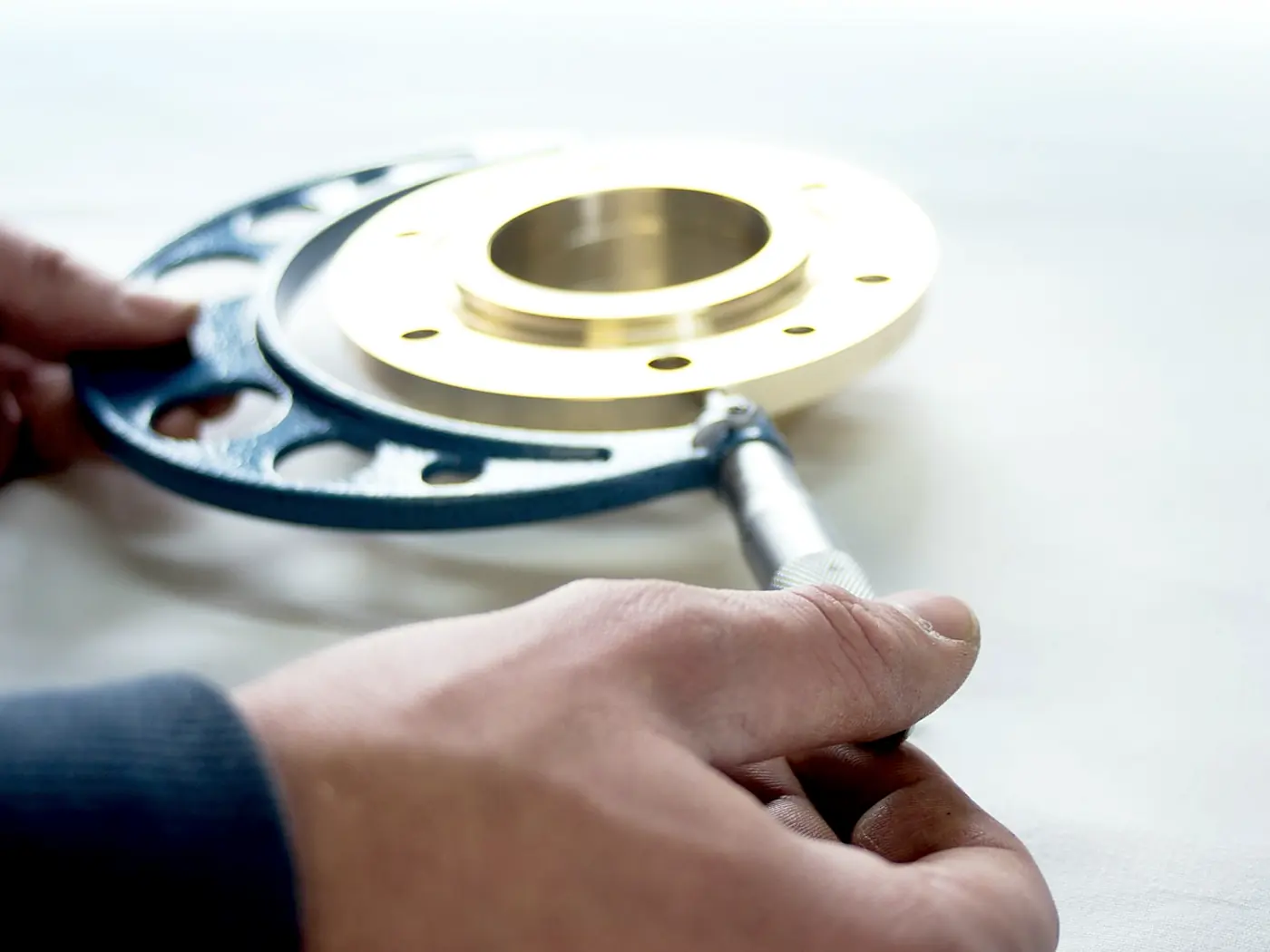
Color, coverage, adhesion and thickness are checked against the order under an ISO 9001 quality system. The lot is counted, packed the way it arrived and returned with its paperwork.
Coating applied below 200 °F
Most PVD is deposited hot enough to temper the part underneath it. The whole reason to run a low temperature cycle is that it leaves the substrate alone.
Deposited hot
- Process temperature
- Roughly 800 to 900 °F for arc PVD, and about 1,800 °F for CVD. Published ranges for those process families.
- Hardened substrates
- Tempered steel can lose hardness, and the part may need re-treating after coating.
- Brazed and bonded parts
- Braze alloys and diamond bonds are at risk at those temperatures.
- Edge geometry
- Thicker films build on an edge and round it.
Deposited below 200 °F
- Process temperature
- Below 200 °F for the whole cycle.
- Hardened substrates
- Heat treatment survives the coating run, so no re-treating and no distortion allowance.
- Brazed and bonded parts
- Brazed carbide, PCD and CBN go through the chamber intact.
- Edge geometry
- A thin, conformal film leaves the ground edge as ground.
Figures for CVD and conventional arc PVD are published ranges for those process families.
Coating options
Chosen against the way the part fails, rather than against a single hardness number. Seven further catalog codes are listed on the coatings page.
A ductile, corrosion resistant film for forming and molding work.
View coating
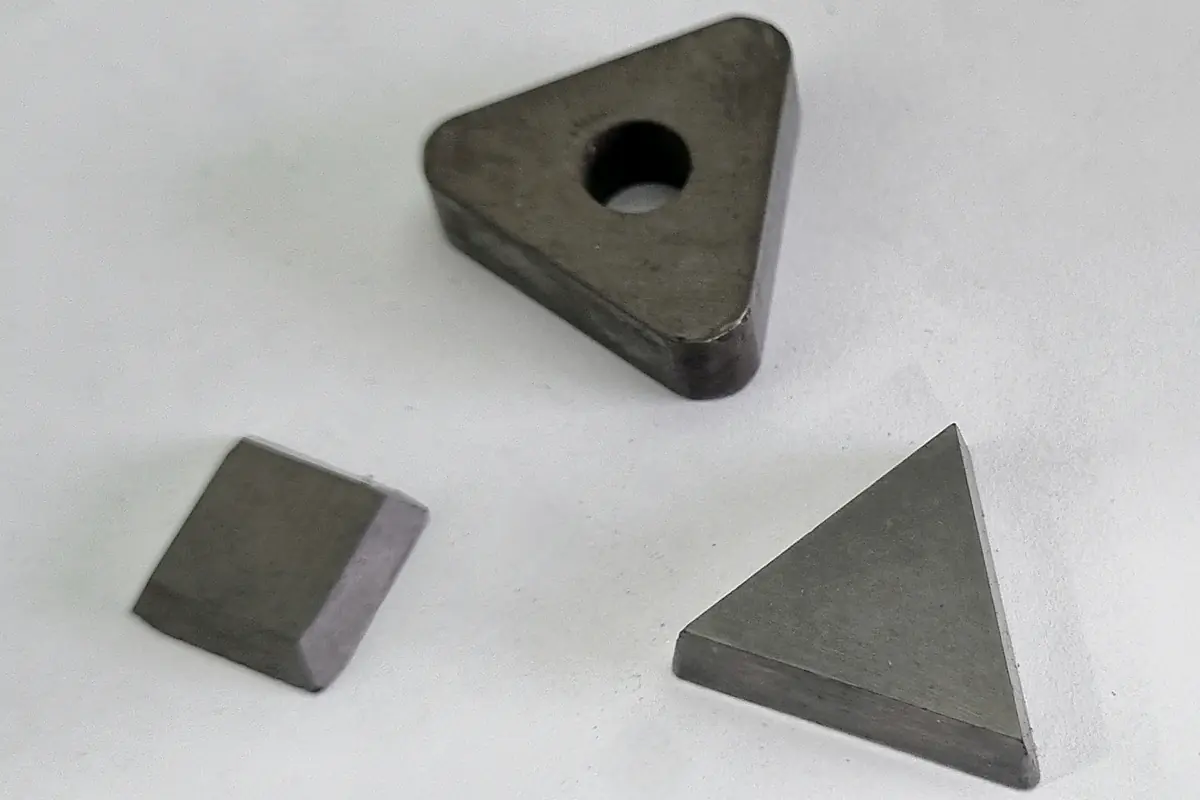
Among the hardest thin films available, for abrasive contact.
View coating
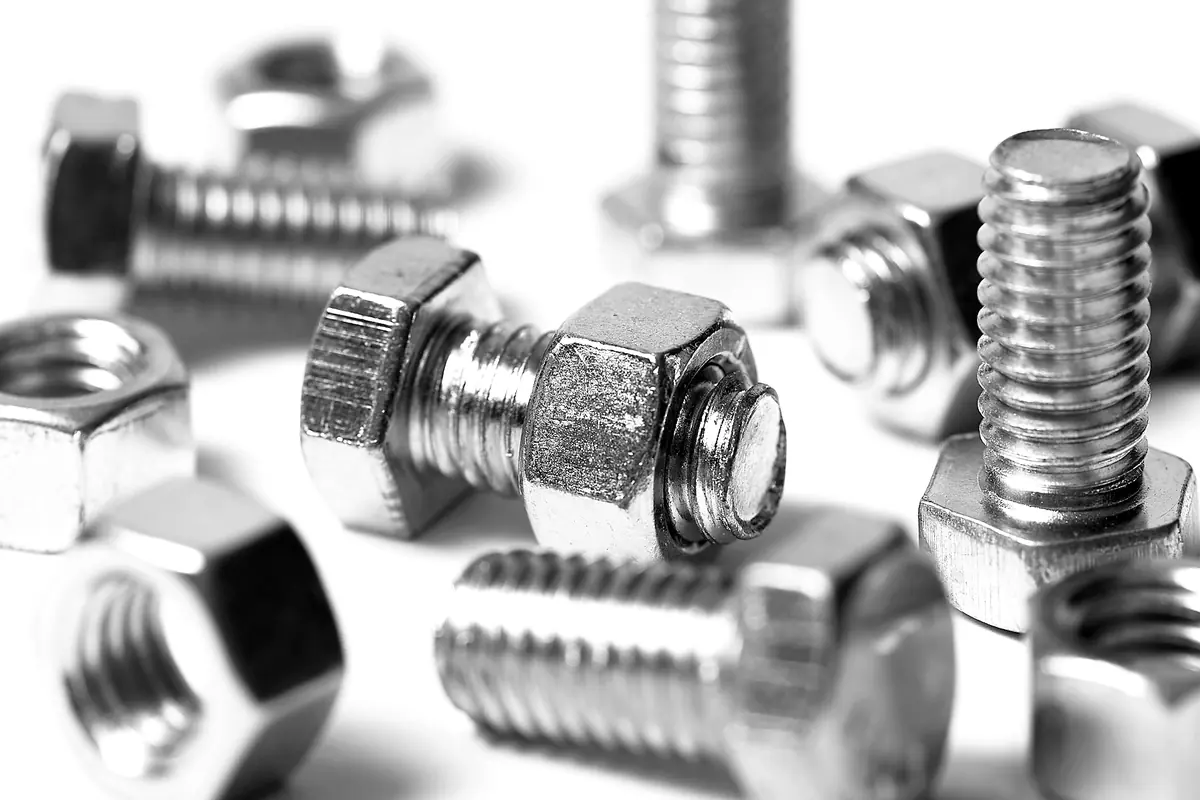
A hard load bearing structure under a lubricating phase.
View coating
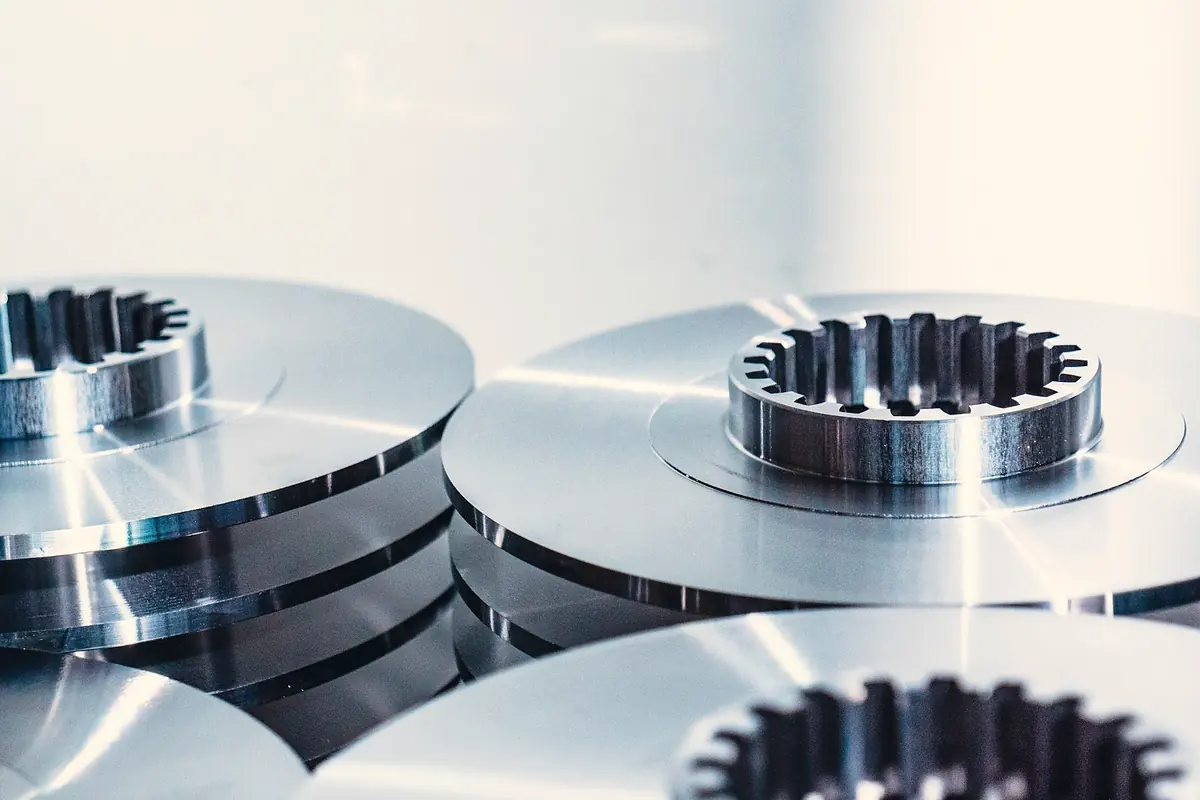
A dry solid lubricant with the lowest friction in the range.
View coating
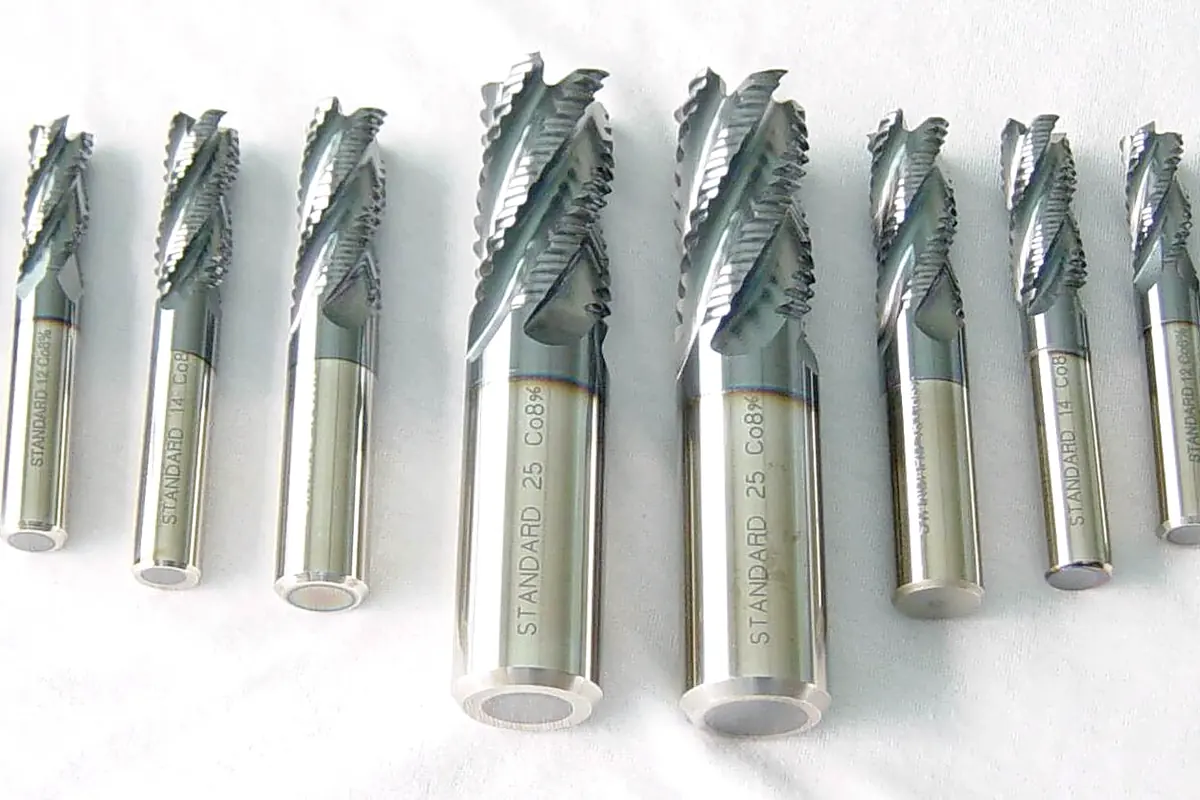
The reference PVD film for general tooling, in gold.
View coating
A fluoropolymer release film, applied through Euclid Refinishing.
View coating
Why choose SurfTech
Low temperature PVD process
The whole deposition cycle stays below 200 °F, so a part leaves the chamber with the hardness and the temper it arrived with.
Ideal for parts and tooling
Cutting tools, punches, dies, molds and production components run through the same chamber, quoted from the same drawing.
Increased wear resistance
Films from 1,750 HV through to 3,700 HV, chosen against the wear mechanism rather than against a single hardness number.
Reduced coefficient of friction
Down to 0.03 dry against steel with the molybdenum disulfide film, which is what lets a tool run where coolant is restricted.
Reduced galling
Stainless, titanium and aluminum stop welding themselves to the tool, which is the failure mode behind most scrapped forming work.
Quality focused, ISO 9001 certified
Coverage, adhesion, color and thickness are checked against the order before a lot ships, under a certified quality system.
About SurfTech
SurfTech is a low temperature PVD coating facility that helps manufacturers improve part and tool performance. Our coating options are designed to increase wear resistance, reduce the coefficient of friction, and reduce galling while supporting dependable, quality-focused results.
- Longer tool and part life
- Reduced downtime and replacement costs
- Improved efficiency and process stability
- Consistent, reliable coating quality
Industries served
Applications
The part families SurfTech coats most often, and what wears them out.
Aluminum welds itself to the cutting edge. A low friction film keeps the flute clear so chips evacuate and the edge stays sharp.
Built-up edge
Aluminum & TitaniumTitanium holds heat at the cut and grabs the tool. Hard, lubricious films spread the load and slow adhesive wear.
Heat and galling
Blade CoatingConventional PVD rounds a cutting edge into a teardrop. The SurfTech process leaves the ground edge geometry intact.
Edge geometry
FirearmsBolts, barrels and internals get a hard, low friction surface with a consistent finish that stands up to cleaning solvents.
Wear and finish
Ductile IronsGraphite nodules make ductile iron abrasive to machine. A hard film holds the edge through longer runs between regrinds.
Abrasive wear
Molds & DiesRelease improves, cycle times tighten, and the mold surface resists the wear that drives rework.
Release and life
Customers
- Wisconsin Knife Works
- MasterTech Diamond
- Applied Recovery Systems
- Romay
- Greenfield Industries
- American Cutting Edge
- Aero Controlex
- AdvantEdge Cutting Tools
Common questions
Typical films are one to four microns thick, and they follow the surface they are grown on. For most tooling that is inside the print tolerance. Send the tightest tolerance on the drawing and SurfTech will confirm it before the job runs.
Yes, and that is the reason the low temperature process exists. The whole cycle stays below 200 °F, so tempered steel keeps its hardness and the part needs no re-treating afterwards.
Hardened tool steel, bearing steel, carbide including brazed carbide, PCD, CBN, ceramics, high strength composites and previously coated tooling. If a material or a geometry looks marginal, ask rather than assume it is out of range.
Yes. Previously coated tooling is a normal part of the work. Tell us what is on the tool if you know, and whether it has been reground since.
Start from the way the part fails now. Abrasive wear points at the boron carbide films, galling and adhesion point at the films with a lubricating phase, impact and corrosion point at chromium nitride, and general tooling duty points at titanium nitride. Send the drawing and the failure mode and SurfTech will specify it. Compare every code side by side.
Yes. Masking is agreed at part review and applied at incoming inspection. Call out on the drawing anything that has to stay uncoated, because a film grows on every surface the source can see.
Lead time depends on the coating, the fixturing and the lot size, so it is quoted per job rather than published as one figure. Give us the date you need and we will confirm whether we can meet it.
Yes. SurfTech operates an ISO 9001 certified quality system. Certificates are available on request.
SurfTech runs at 2937 Industrial Park Drive, Austinburg, OH 44010.
Request a quote
Tell us the substrate, the duty and the way the part fails now. SurfTech comes back with the code, the thickness and the masking.
Call(440) 275-3356
Plant2937 Industrial Park Drive, Austinburg, OH 44010
DrawingsPDF, DXF, DWG, STEP, IGES, STL or ZIP